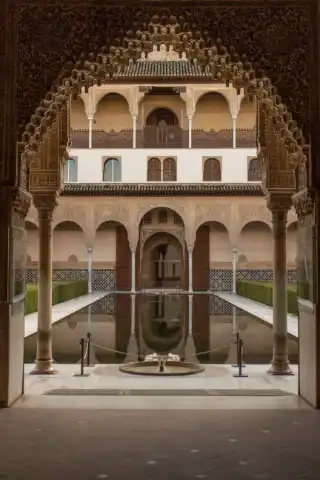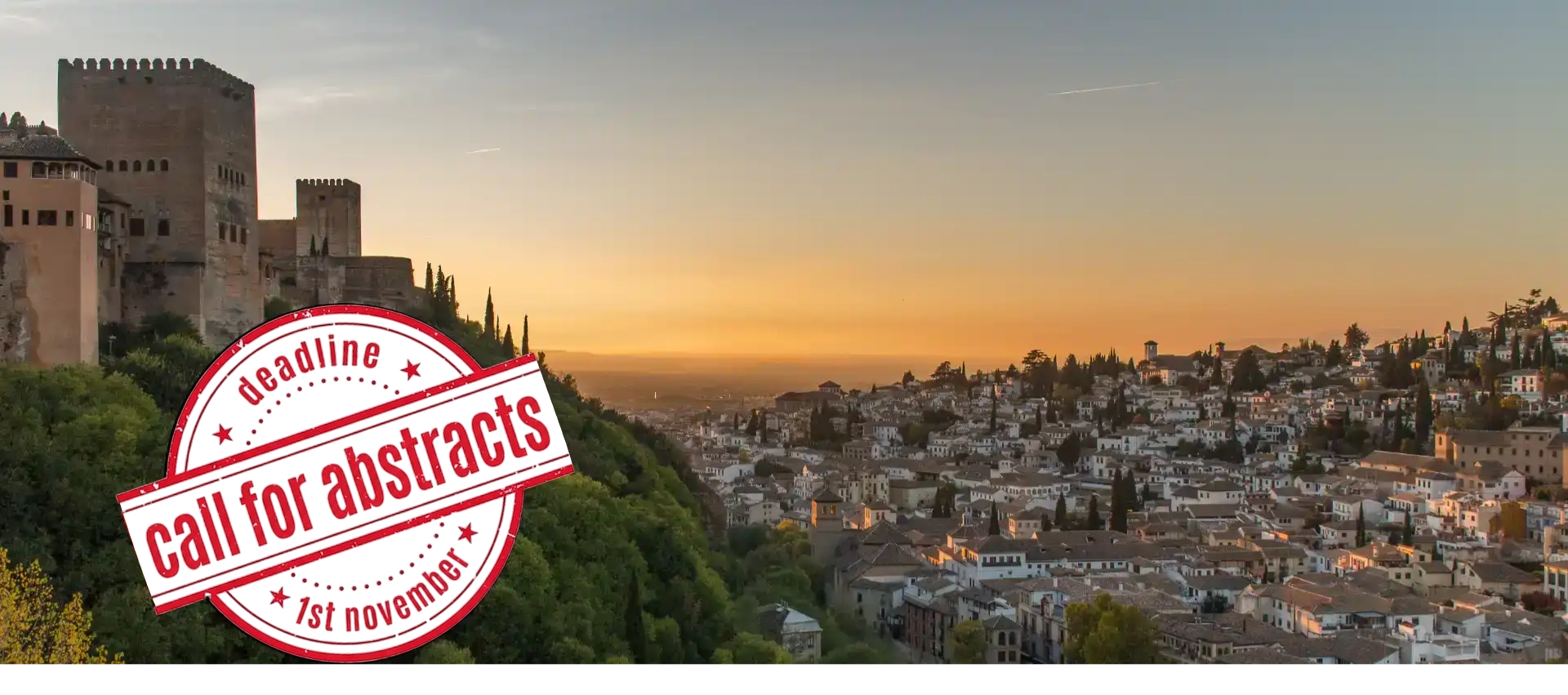
The International Conference Archaeometallurgy in Europe has been organised periodically since 2003, in Milan (2003), Grado-Aquileia (2007), Bochum (2011), Madrid (2015), Miskolc (2019) and Falun (2024). The next edition, organised by the University of Granada, will take place in Granada, Spain, from the 17th to the 21th May 2027, bringing together researchers, specialists, and students working at the intersection of archaeology, materials science, and the history of metallurgy.
This conference series has long served as the most important forum for the presentation and discussion of new research on the production, circulation, and use of metals in Europe from Prehistory to the Early Modern Period.
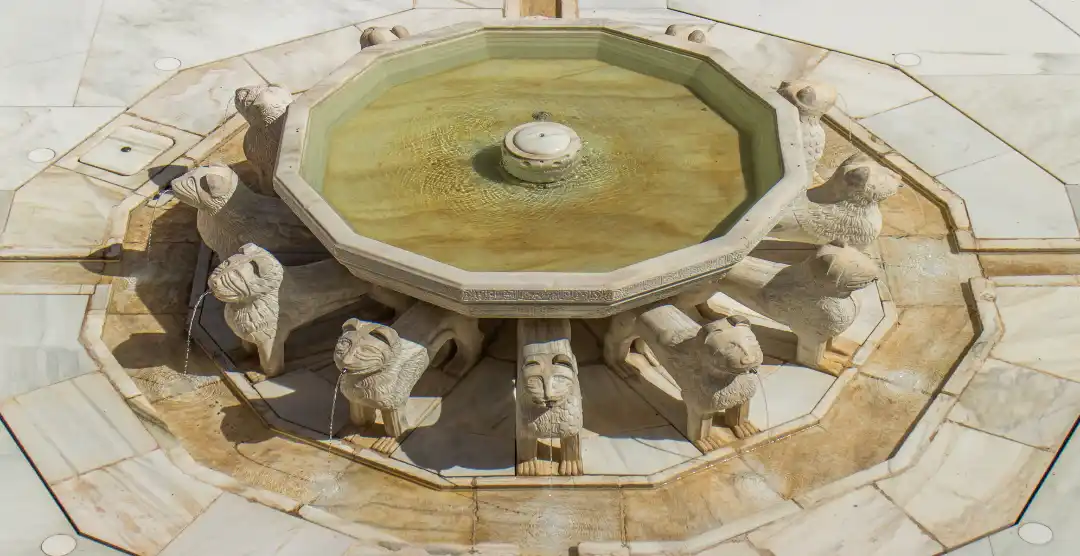
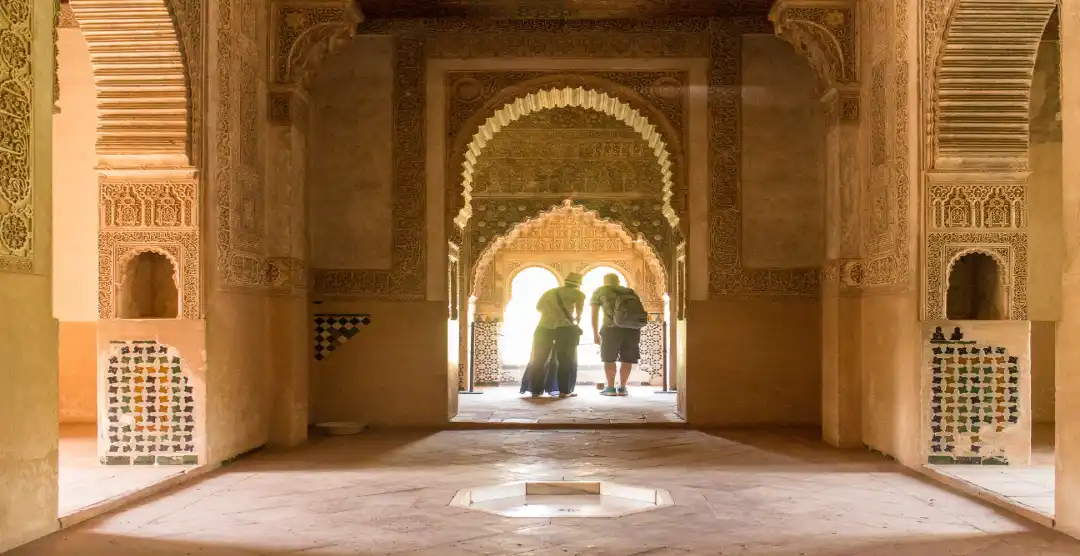
Set against the unique historical landscape of Granada—where centuries of cultural interaction have shaped a rich archaeological heritage—the 2027 meeting will provide an inspiring environment for scholarly exchange. The conference will highlight recent advances in archaeometallurgical research, including analytical techniques, experimental archaeology, mining archaeology, technological reconstructions and innovations, provenance studies, cross-craft interactions and studies of metallurgical networks and socio-economic contexts.
Archaeometallurgy in Europe 2027 aims to foster interdisciplinary dialogue between archaeologists, archaeometrists, historians, conservators, and scientists working with metallic materials. The program will include keynote lectures, thematic sessions, poster presentations, and opportunities for discussion and collaboration among participants from across Europe.
We warmly invite the international community to join us in Granada to share new discoveries, methodologies, and perspectives on the role of metals in past societies.
Sponsors and Collaborators




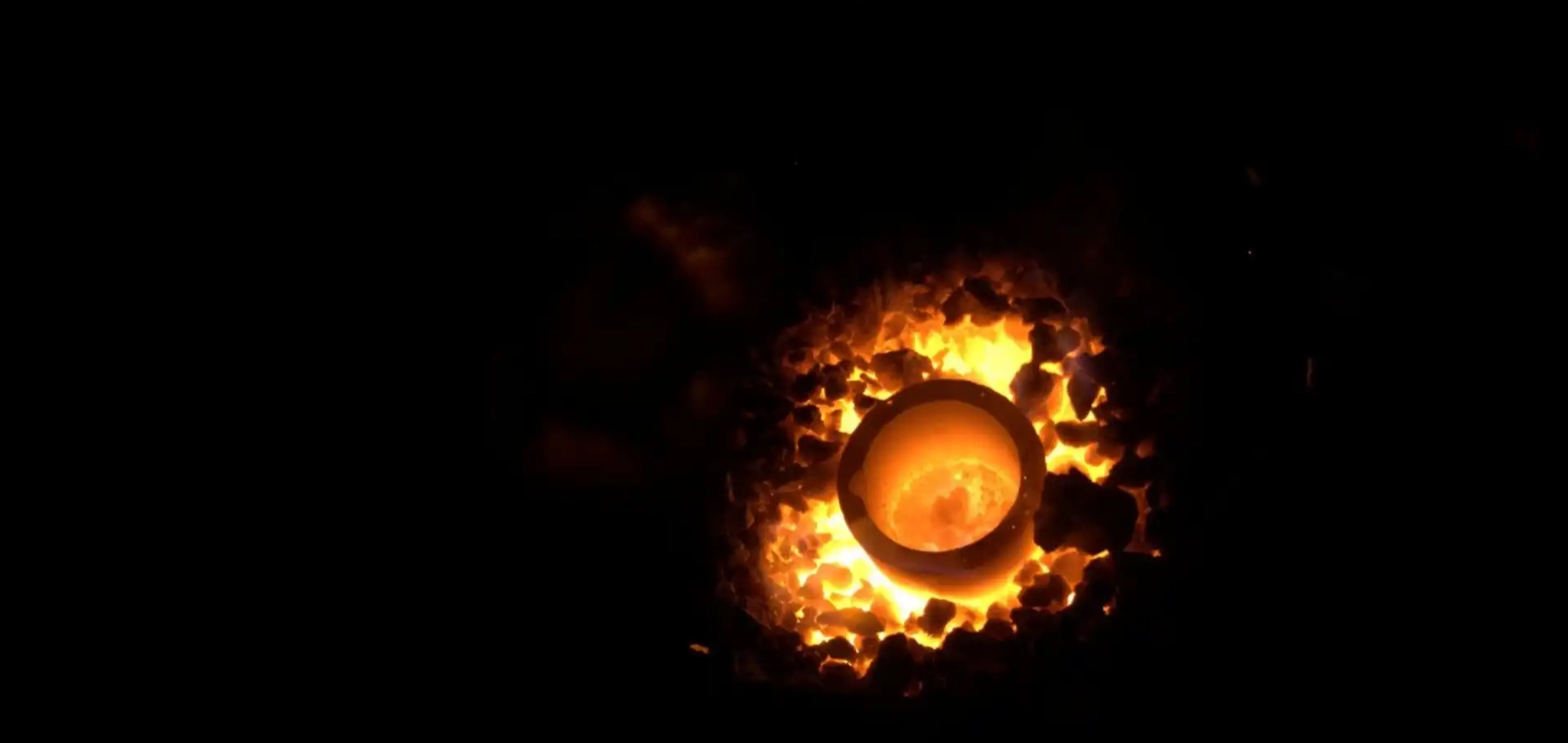
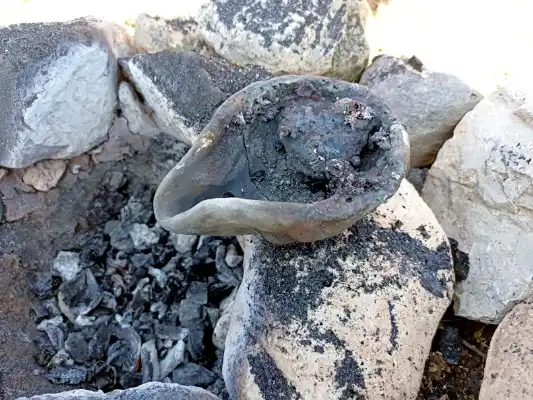
The conference will feature a range of thematic sessions covering key areas of archaeometallurgical research, from mining and metal production to experimental approaches, provenance studies, and emerging analytical methodologies.
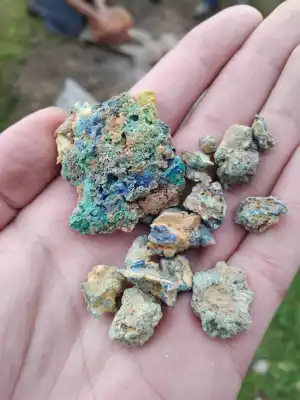
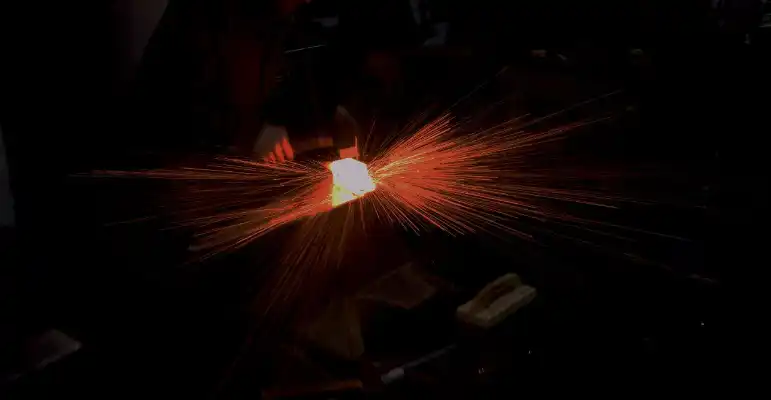
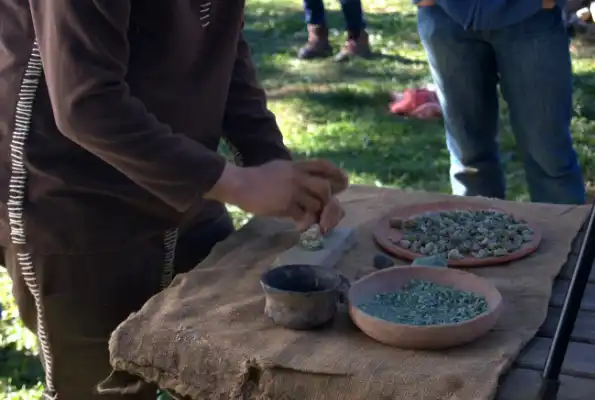
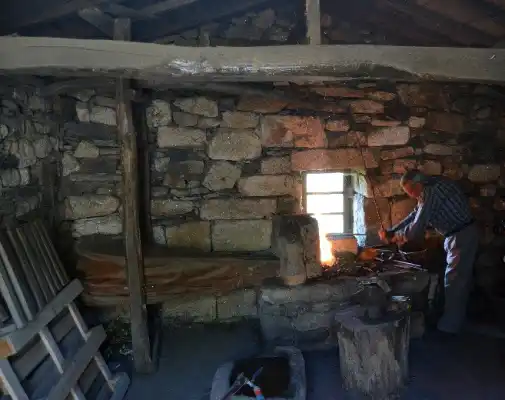
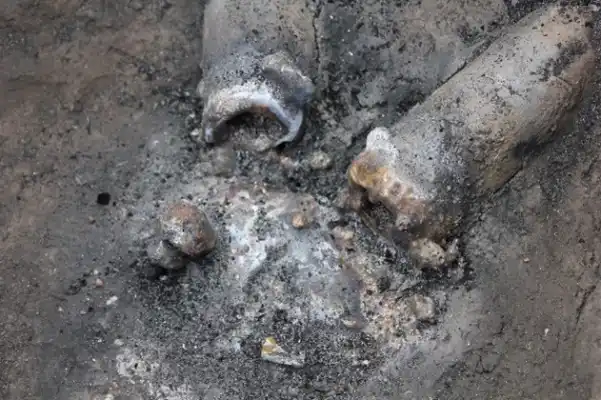
Mines and Mining
This session welcomes contributions on the archaeology and archaeometry of ancient mining. Topics may include mining landscapes, extraction techniques, labour organization, and the environmental and socio-economic impact of mining from Prehistory to the Early Modern period.
Archaeometallurgy of Copper
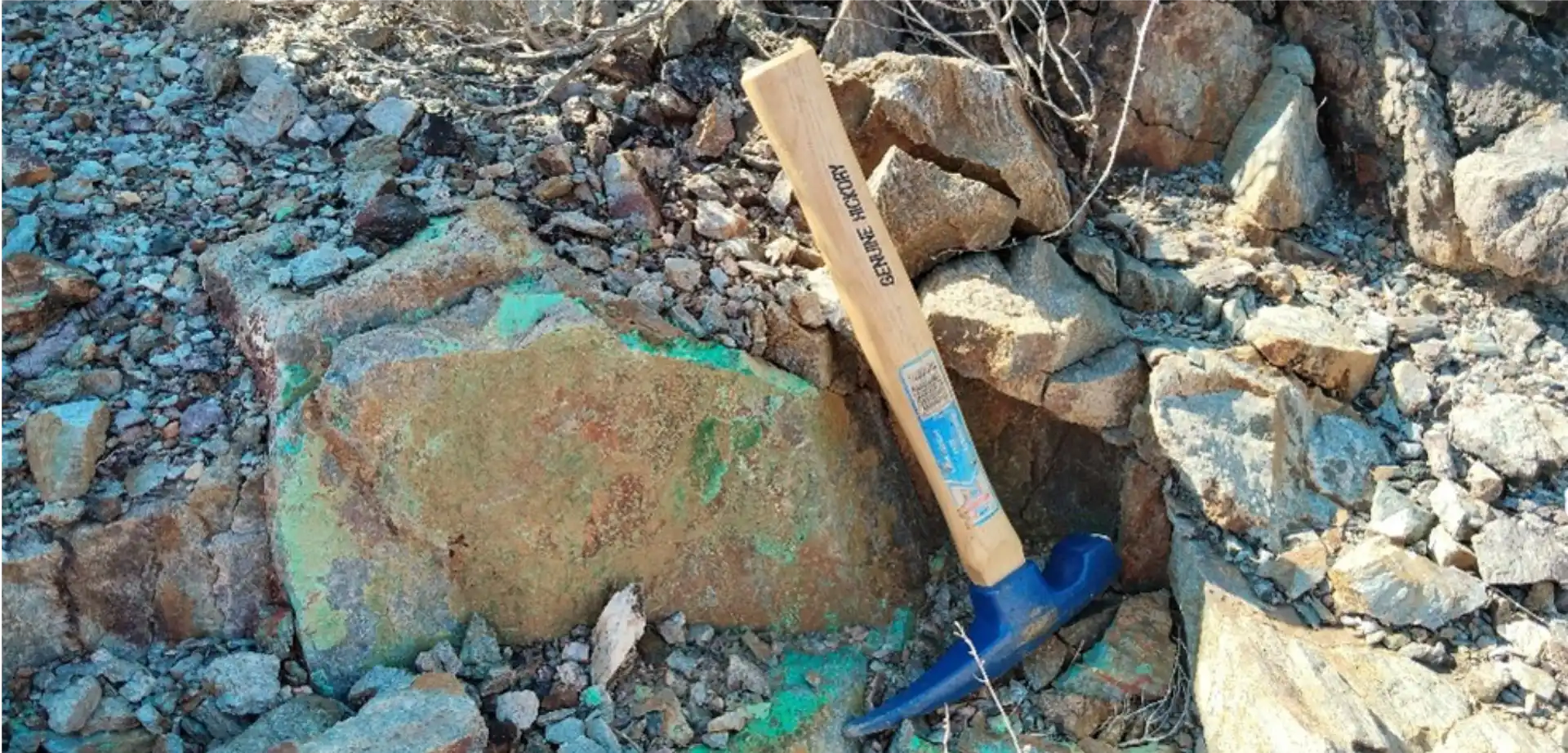
Dedicated to the production and processing of copper and copper alloys, this session welcomes studies on technological traditions, metallurgical chaînes opératoires, analytical studies, and regional developments in copper metallurgy across different regions and periods.
Archaeometallurgy of Iron
This session focuses on the technologies of iron production and working. Papers on smelting, smithing, slag studies, technological innovations, and the development of regional ironworking traditions are particularly encouraged.
Archaeometallurgy of Precious Metals
This session focuses on the production and processing of precious metals, particularly gold and silver. We invite contributions addressing extraction, beneficiation, refining, alloying, and manufacturing technologies, as well as analytical studies of metallurgical processes and regional developments of technological traditions and production systems.
Metallurgy and Societies
Exploring the relationship between metallurgy and social dynamics, this session examines how metal production, exchange, and use shaped or were shaped by economies, identities, and power structures. Papers addressing production organization, craft specialization, trade, consumption, and the social meaning of metals are welcome.
Provenance Studies
This session focuses on analytical and methodological approaches to identifying the geological and geographical origins of metals. Studies addressing methodological developments and their implications for reconstructing exchange and interaction networks are encouraged.
Experimental Archaeometallurgy
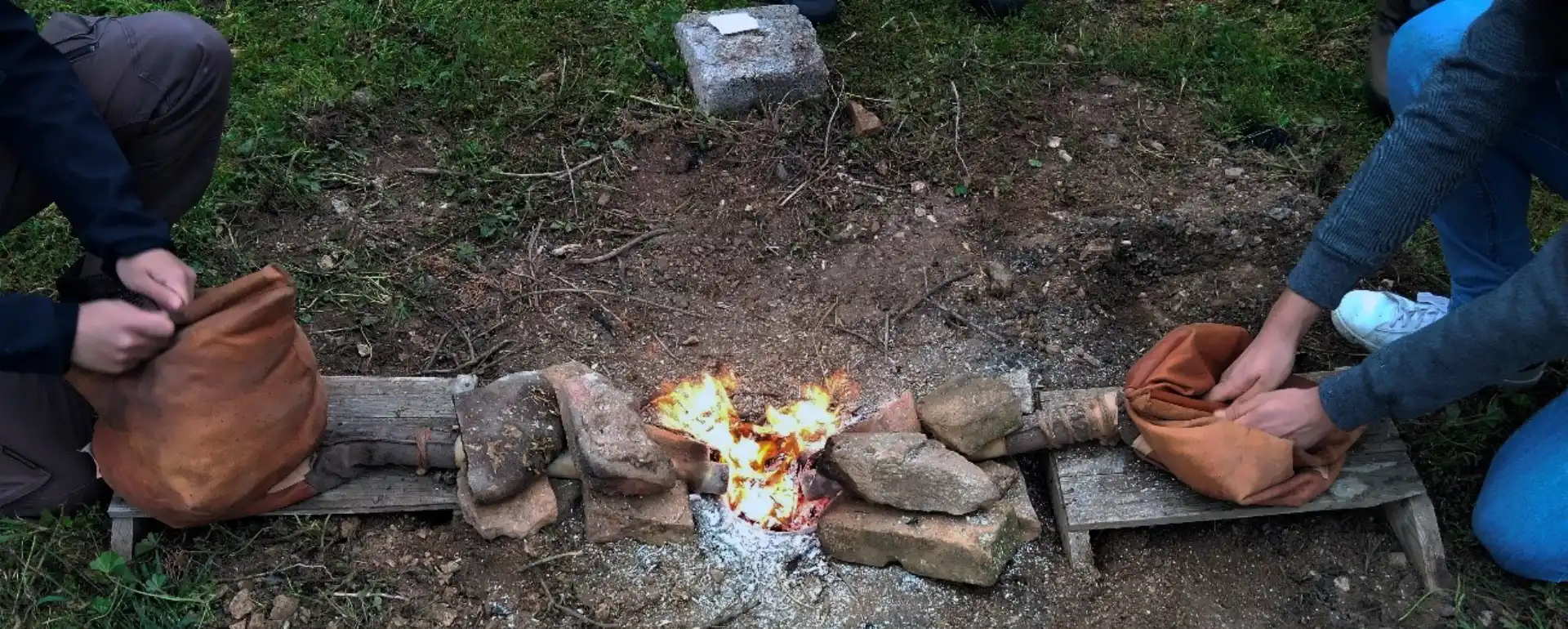
This session invites papers presenting experimental approaches to reconstruct ancient metallurgical processes and uses. This session highlights how laboratory and field experiments help us understanding past technologies and their constraints.
Cross-craft interactions
Papers exploring the interactions between metallurgy and other technological domains are encouraged. Topics may include shared materials, techniques, and knowledge between metallurgy and crafts such as ceramics, glass, stone, or organic technologies.
New Advances in Archaeometallurgy
This session is dedicated to innovative approaches in archaeometallurgical research. Contributions may include applications of artificial intelligence, computational modelling, digital tools, big data, and new analytical methodologies.
Mines and Mining
This session welcomes contributions on the archaeology and archaeometry of ancient mining. Topics may include mining landscapes, extraction techniques, labour organization, and the environmental and socio-economic impact of mining from Prehistory to the Early Modern Period.
Archaeometallurgy of Copper
Dedicated to the production and processing of copper and copper alloys, this session welcomes studies on technological traditions, metallurgical chaînes opératoires, analytical studies, and regional developments in copper metallurgy across different regions and periods.
Archaeometallurgy of Iron
This session focuses on the technologies of iron production and working. Papers on smelting, smithing, slag studies, technological innovations, and the development of regional ironworking traditions are particularly encouraged.
Archaeometallurgy of Precious Metals
This session focuses on the production and processing of precious metals, particularly gold and silver. We invite contributions addressing extraction, beneficiation, refining, alloying, and manufacturing technologies, as well as analytical studies of metallurgical processes and regional developments of technological traditions and production systems.
Metallurgy and Societies
Exploring the relationship between metallurgy and social dynamics, this session examines how metal production, exchange, and use shaped or were shaped by economies, identities, and power structures. Papers addressing production organization, craft specialization, trade, consumption, and the social meaning of metals are welcome.
Provenance Studies
This session focuses on analytical and methodological approaches to identifying the geological and geographical origins of metals. Studies addressing methodological developments and their implications for reconstructing exchange and interaction networks are encouraged.
Experimental Archaeometallurgy
This session invites papers presenting experimental approaches to reconstruct ancient metallurgical processes and uses. This session highlights how laboratory and field experiments help us understanding past technologies and their constraints.
Cross-craft interactions
Papers exploring the interactions between metallurgy and other technological domains are encouraged. Topics may include shared materials, techniques, and knowledge between metallurgy and crafts such as ceramics, glass, stone, or organic technologies.
New Advances in Archaeometallurgy
This session is dedicated to innovative approaches in archaeometallurgical research. Contributions may include applications of artificial intelligence, computational modelling, digital tools, big data, and new analytical methodologies.

Call for Abstracts
Deadline for Abstract Submissions
Abstract Acceptance
Deadline for Early Registration
Deadline for Late Registration
Conference
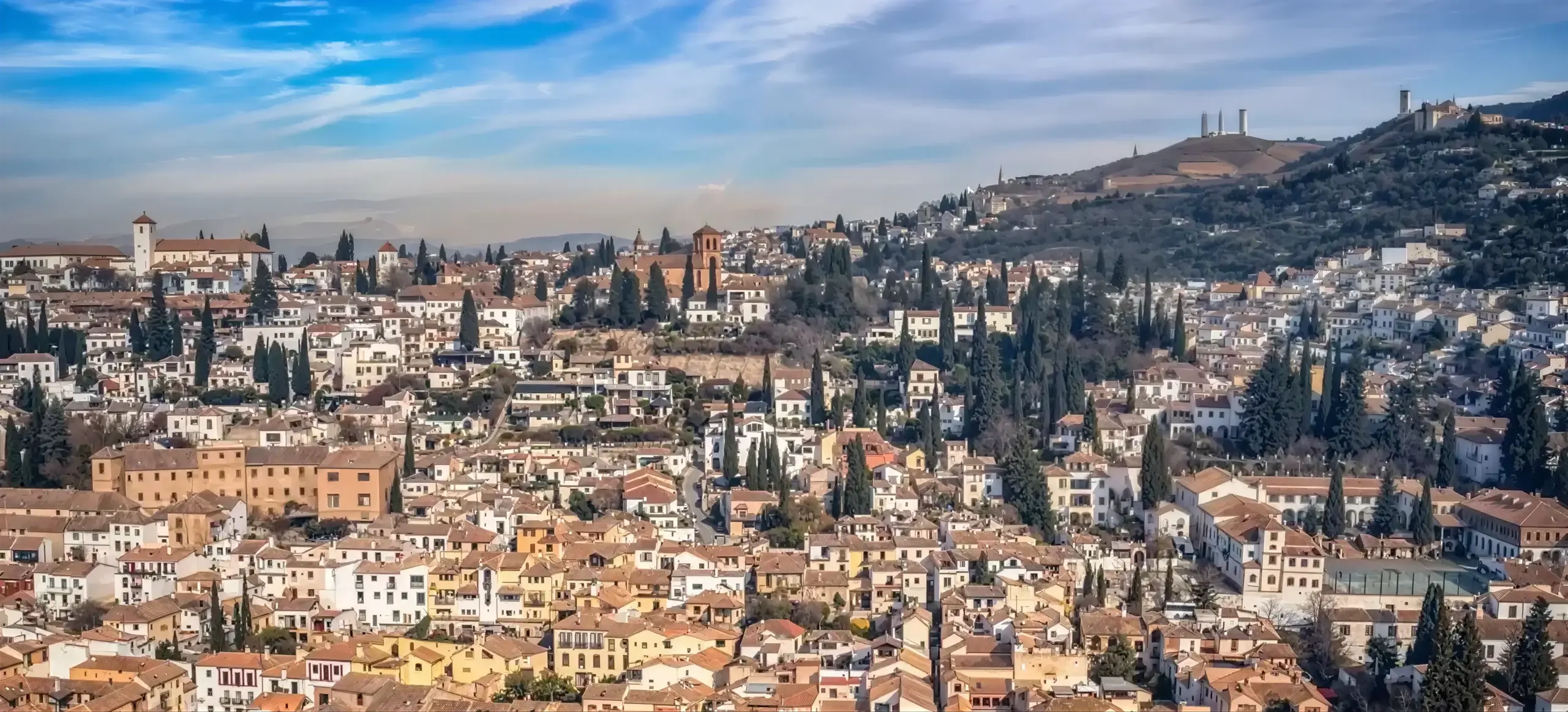
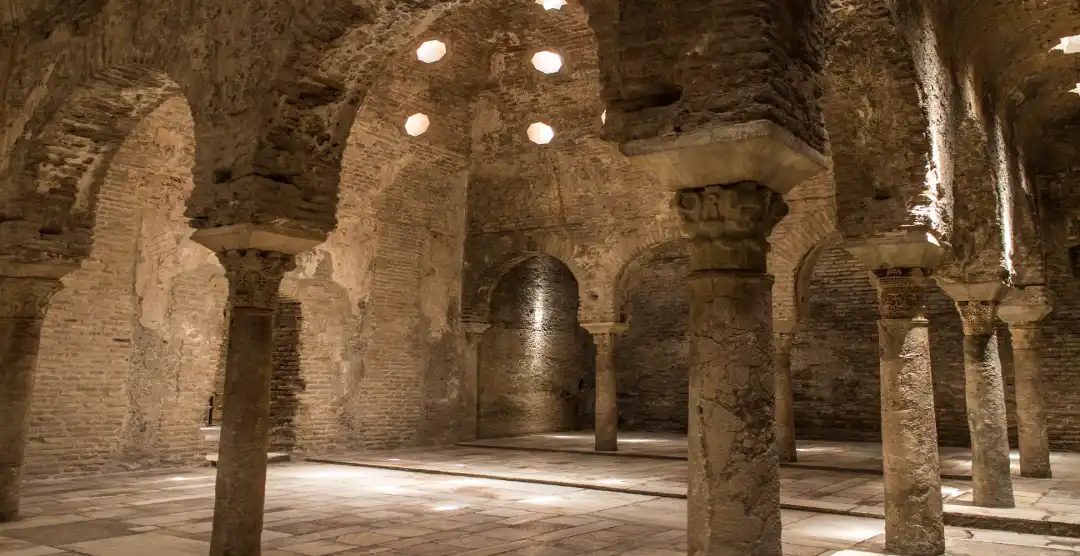
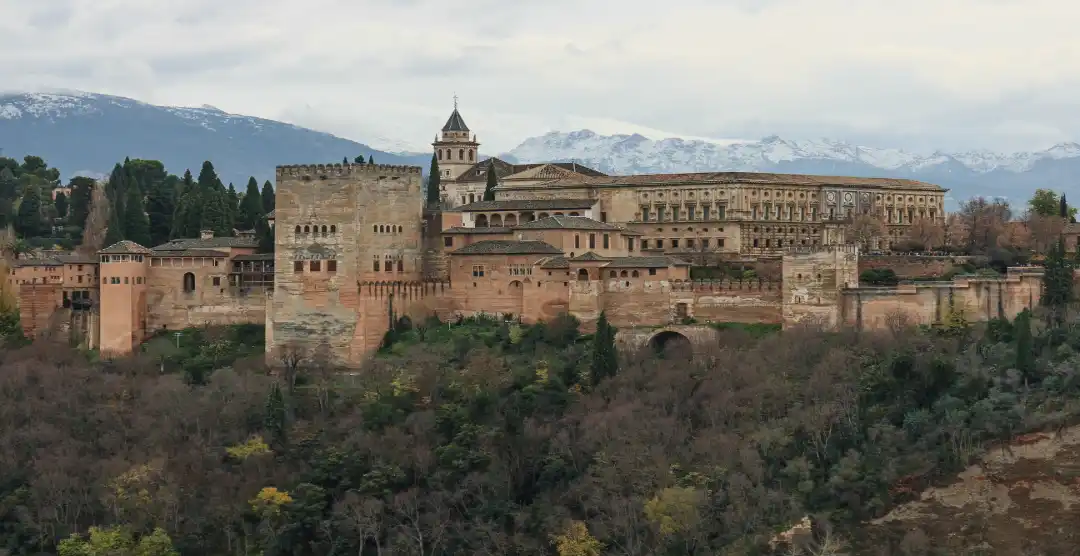
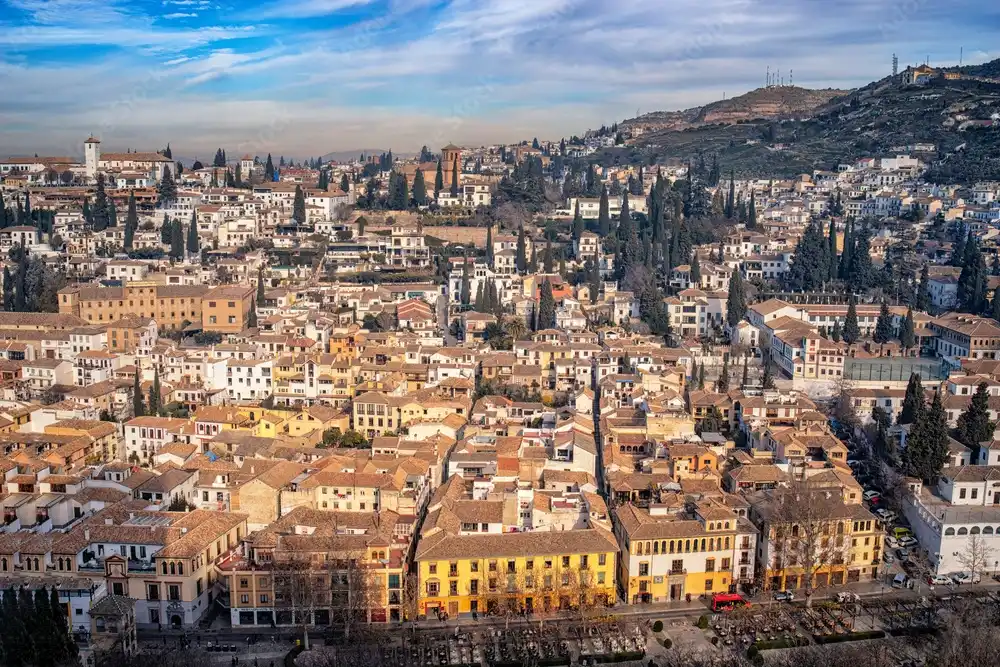
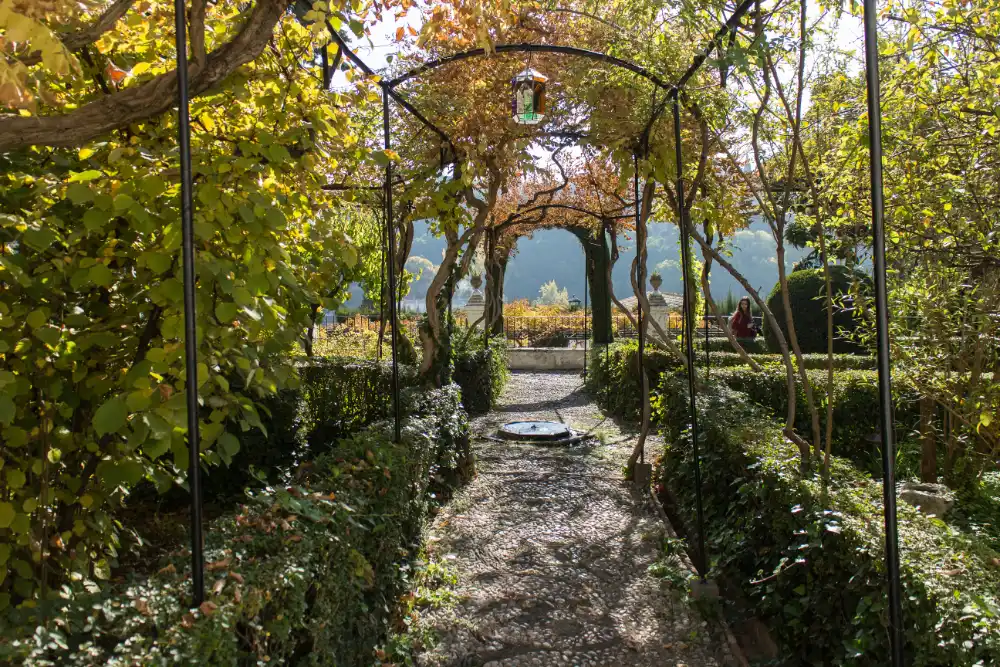
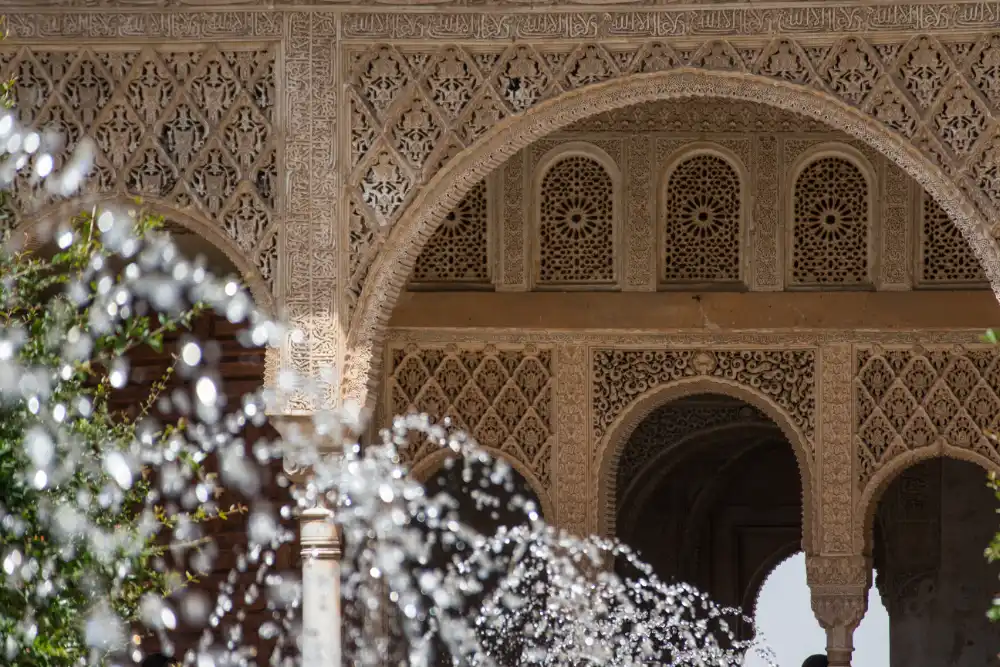
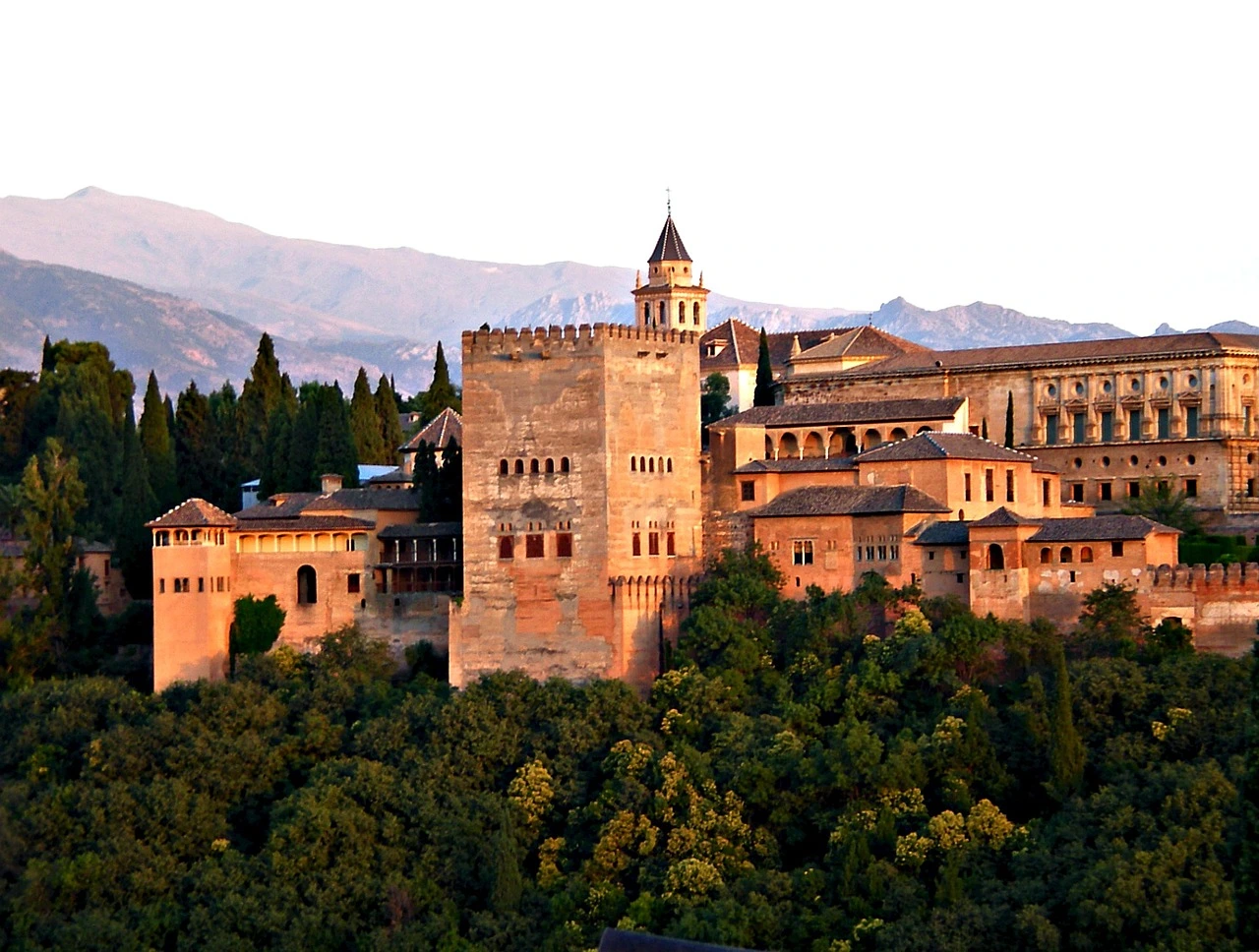
Granada, located at the foothills of the Sierra Nevada mountains, is one of southern Europe’s most remarkable historic cities. Renowned for its rich cultural heritage, it is home to outstanding landmarks such as the Alhambra, a UNESCO World Heritage Site, as well as a historic center. Granada offers a unique setting for an international conference, combining academic excellence with a vibrant cultural life, renowned gastronomy, and a compact urban layout that allows easy movement between venues, accommodations, and key attractions.
The conference will be organised at the University of Granada (UGR), founded in 1531. With a strong track record in archaeology, materials science, and cultural heritage studies, UGR provides an ideal framework for hosting Archaeometallurgy in Europe 2027 and ensuring a high-level scientific environment for knowledge exchange and international collaboration.
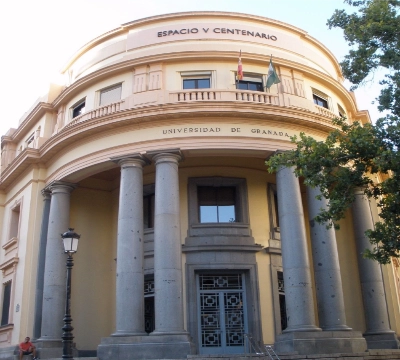
The conference will be held at the V Centenario building of the University of Granada, one of its most historic and emblematic buildings, which once housed the historic Faculty of Medicine. Located in a highly convenient area, close to the city’s historic centre and equipped with all modern amenities.
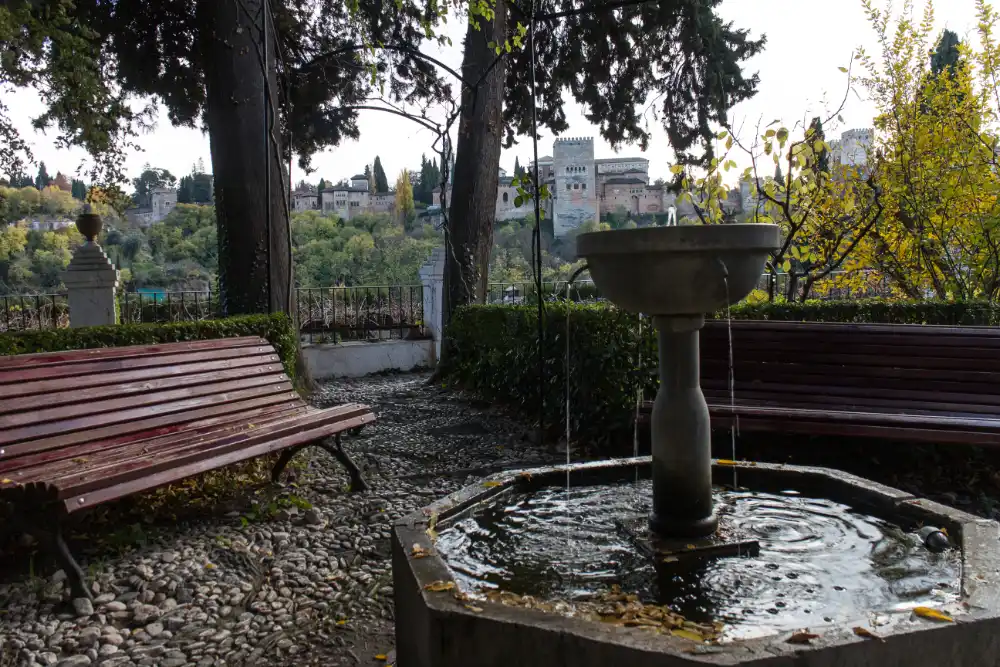
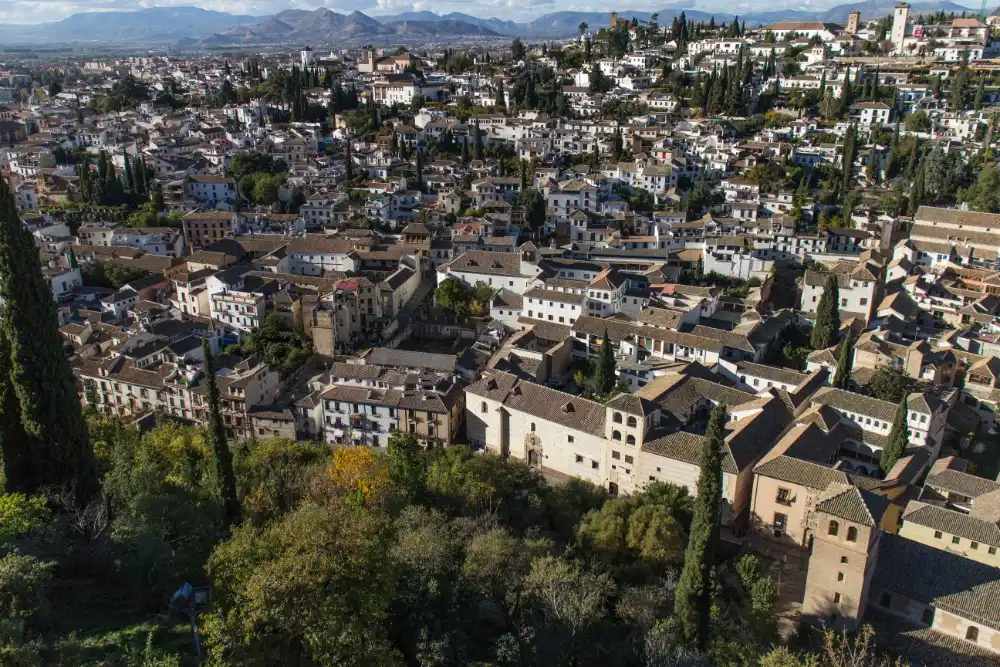
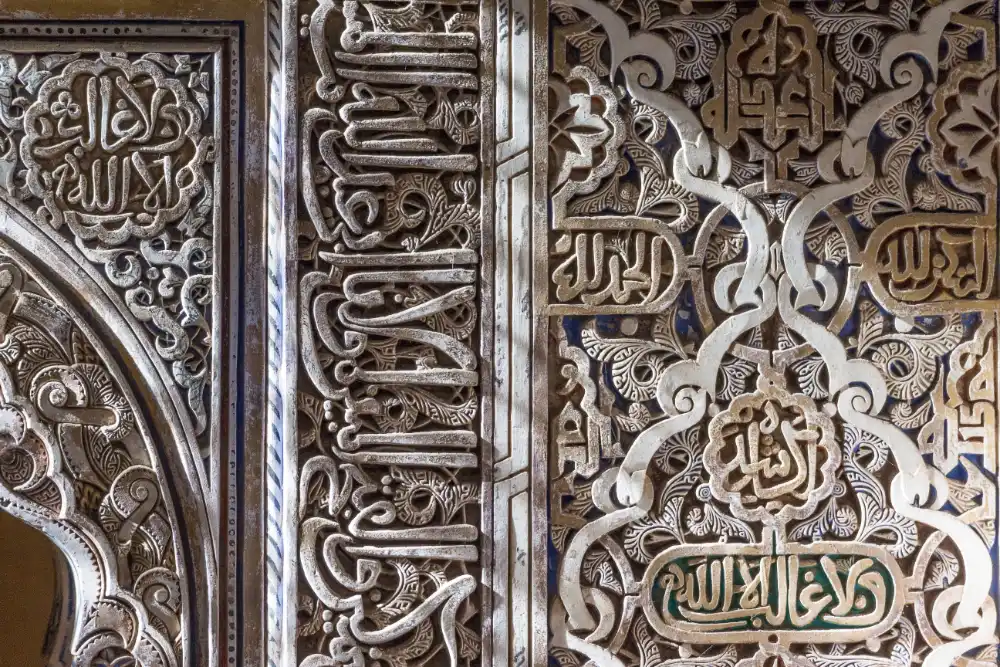
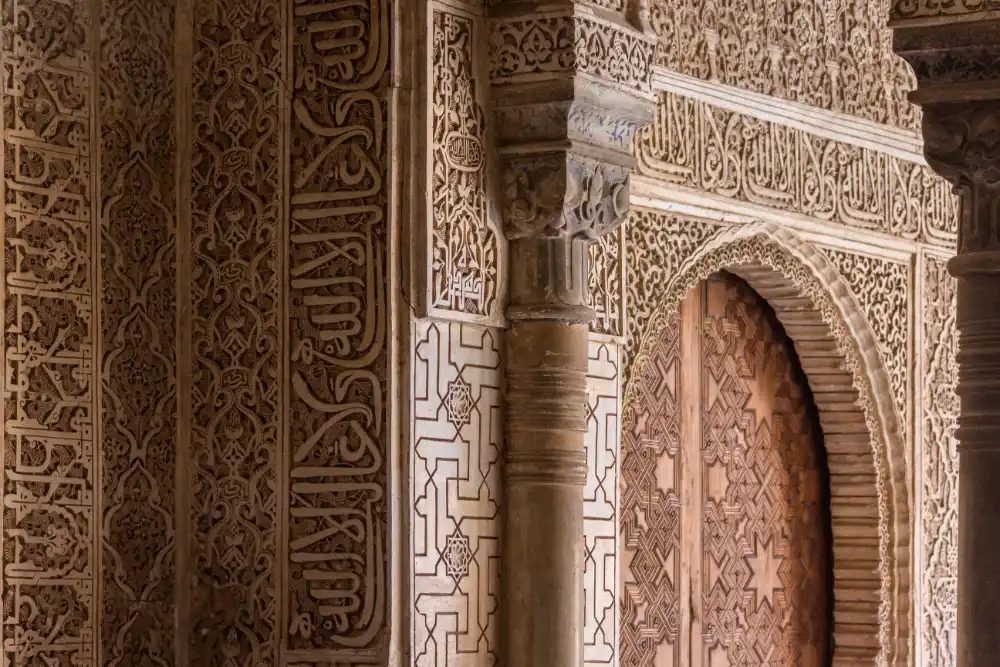
How to get to Granada
The conference will be held at Espacio V Centenario, University of Granada. The venue is well connected to the city centre and can be easily reached from the main transport hubs of Granada.
Granada is easily accessible through several transport options:
By air
Málaga airport provides a wide range of international flights and direct bus connection to Granada from the airport.
By train
High-speed trains connect Granada with Madrid, Córdoba and Sevilla.
By road
Granada is easily accessible via the A-92 and A-44 motorways.
Accommodation
The conference organisers have reserved an allocation of rooms at the following hotels: Hotel Catalonia Granada, Hotel HMO Martina Granada, and Hotel Turia Granada.
| Hotel | Double Room (1p) Breakfast included |
Double Room (2p) Breakfast included |
|---|---|---|
| Hotel Catalonia Granada | 115€ | 130€ |
| Hotel HMO Martina Granada | 123€ | 128€ |
| Hotel Turia Granada | 126€ | 136€ |
Booking Conditions
-
All reservations must be made in writing by email to:
aie2027hotels@btravel.com, stating the following information:
- Selected hotel
- Check-in and check-out dates
- Number of guests per room
- Full name and surname(s), ID card or passport number for each guest, and date of birth
- Billing details
- Once the request has been received, the organising travel agency will send a confirmation email to the guest including the total amount payable, a payment link for 30% of the total reservation cost, as well as the conditions and method for final payment.
- In the event that there is no availability, an alternative option of a similar price and location will always be offered, which the guest may either accept or decline.
- All reservations must be paid in full at least 45 days prior to the start date of the booking. The travel agency reserves the right to cancel the reservation in the event of non-compliance.
Hotel Information
Hotel Catalonia Granada
2 minutes’ walk
Hotel location
Situated next to the Triunfo Gardens, five minutes from Granada Cathedral and the city’s historic centre. It is also close to the railway station. Granada boasts a spectacular Arab heritage, including the Alhambra, the Nasrid palaces, and the charming streets of the Albaicín district.
Room types
Elegant rooms featuring air conditioning, heating, wardrobe, minibar, electronic safe with laptop capacity and power socket, desk, telephone, satellite TV, room service, complimentary Wi-Fi internet access, and free digital newspapers. Bathrooms include either a bath or shower and a hairdryer. Some rooms also feature a balcony.
Hotel HMO Martina Granada
3 minutes’ walk
Hotel location
Situated just a few minutes from Granada Cathedral and the city’s historic centre. Close to the railway station and with easy access to Granada’s main road connections in and out of the city.
Room types
Rooms include a desk, private bathroom with shower and complimentary toiletries, flat-screen TV and air conditioning. Some rooms also offer a terrace. All rooms include bed linen and towels. A buffet breakfast is served at the property, and guests may also use the business centre or relax in the bar.
Hotel Turia Granada
6 minutes’ walk
Hotel location
Located next to the high-speed railway station and the University of Granada, the hotel is a 5-minute walk from the city’s main shopping district and a 2-minute walk from Virgen de las Nieves Hospital. Federico García Lorca Granada Airport is only 15 km away, while Málaga Airport is approximately 110 km from the hotel.
Room types
Standard rooms feature a modern style with high-quality finishes. Each room includes a private bathroom with bath and hairdryer, double beds, direct-dial telephone, satellite/cable TV, internet connection, ironing facilities, minibar, and individually controlled air conditioning and heating.
Prizes
HMS Student Prizes
Best Student Presentation and Best Student Poster
HMS is offering two student prizes: one for the best presentation and one for the best poster.
Each prize will include £100 GBP and one year’s full membership of HMS, including a hard copy of the HMS Journal.
Students are defined as those registered with a university, research institute or similar institution, or those who have recently completed a higher degree.
A team of judges drawn from HMS members will evaluate the contributions.
EXARC Student Prize
Best Student Presentation or Poster on Experimental Archaeometallurgy
EXARC is offering one prize for the best student presentation or poster on experimental archaeometallurgy.
The prize will include one year’s free membership of EXARC.
The Micro-Aesthetics Gallery
Awards for the Best Image
The Micro-Aesthetics Gallery will recognise outstanding images in three categories:
- Predoc
- Early Postdoc
- Senior
All conference participants will be able to vote for up to two pictures in each category during the conference.
Scholarships and Discounts
HMS Research and Travel Grants
Research and Travel Support
HMS offers small grants for research and limited financial support for travel.
Students interested in applying should contact the HMS Secretary to request the application forms.
secretary@historicalmetallurgy.orgALSA Travel Discount
15% Discount on Bus Tickets
ALSA is offering a 15% discount on regular bus service tickets to and from Granada.
The discount will be available for journeys between 22 and 30 May.
The discount code will be published in the coming months.
Visit ALSA website
Standing Committee
President: Alessandra Giumlia-Mair (Italy)
Members
- Barbara Armbruster (France)
- Yannis Bassiakos (Greece)
- Jiři Hosek (Czech Republic)
- Vasiliki Kassianidou (Cyprus)
- Ignacio Montero Ruiz (Spain)
- Miljana Radivojevic (UK)
- Béla Török (Hungary)
Organising Committee (UGR)
- Mercedes Murillo-Barroso
- Julia Montes Landa
- Francisco Contreras Cortés
- Luis Arboledas
- Martin Wagner
- Anna-María Sdralia
- Aron Lackinger
- Pablo González Zambrano
- Daniel Pérez L’Huiller
- Sergio Ibarz Navarro
- Mercedes Navero
Scientific Committee
- Xose-Lois Armada Pita, Consejo Superior de Investigaciones Científicas – CSIC
- Gilberto Artioli, Università di Padova
- Beatriz Comendador Rey, Universidad de Vigo
- Elin Figueiredo, Universidade Nova de Lisboa
- Sabine Klein, Ruhr-Universität Bochum
- Marcos Martinón-Torres, University of Cambridge
- Marianne Mödlinger, University of Innsbruck
- Thomas Oliver Pryce, Centre National de la Recherche Scientifique
- Thilo Rehren, The Cyprus Institute
- Vincent Serneels, University of Fribourg
- Zofia Stos-Gale, University of Gothenburg
Ethics Committee
- Mercedes Murillo-Barroso
- Francisco Contreras Cortés
- Luis Arboledas
- Ignacio Montero Ruiz
- Beatriz Comendador Rey
Early registration
Up to 10th January · Alhambra included
Late registration
From 10th January to 16th April · Alhambra not guaranteed
Registration with bank transfer
To complete your registration payment via bank transfer, please download this form and send it to us along with your proof of payment to aie2027@ugr.es
IBAN: ES42 2100 8688 7302 0017 9378
BIC (SWIFT): CAIXESBBXXX
Reference: Attendee Name + AIE2027
Online payment registration form